



Welcome to Archaea Biology and Ecogenomics
Welcome to Archaea Biology and Ecogenomics
Department of Functional and Evolutionary Ecology
We belong to the Faculty of Life Sciences of the University of Vienna.
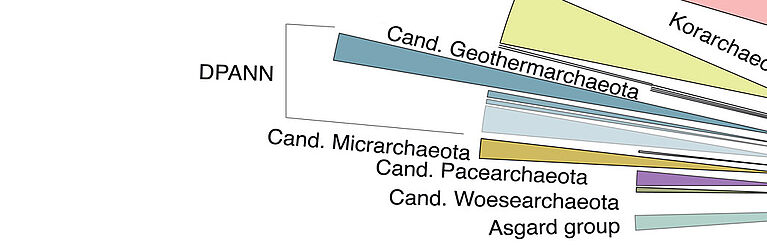
Archaea arose together with Bacteria as the first organisms on this planet about 3.5 billion years ago. They form a separate domain of life beside bacteria and eukaryotes and inhabit virtually all environments on earth, including the most extreme environments that can sustain life.
Our unit studies the biology of archaea as well as bacterial symbioses with a focus on ecological, physiological and evolutionary aspects to shed light on the diversity and fundamental distinctions between these two prokaryotic groups.
In particular we are interested in:
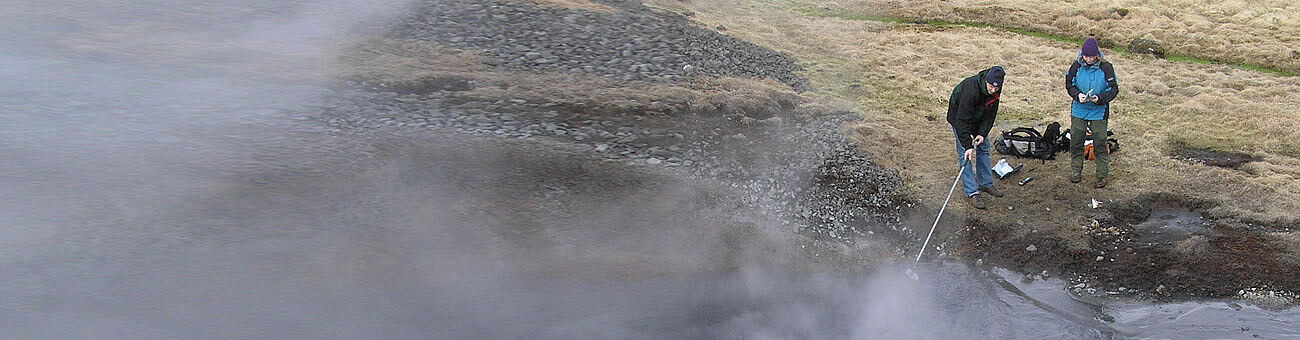
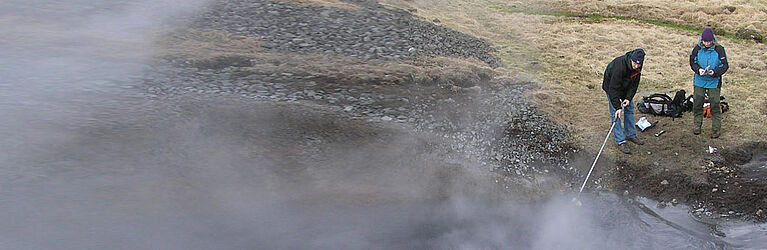
- the ecological distribution of archaea from terrestrial, aquatic and hot environments
- the metabolism and genomes of ammonia oxidizing archaea and their role in nitrification
- the physiology and cellular features of Asgard archaea
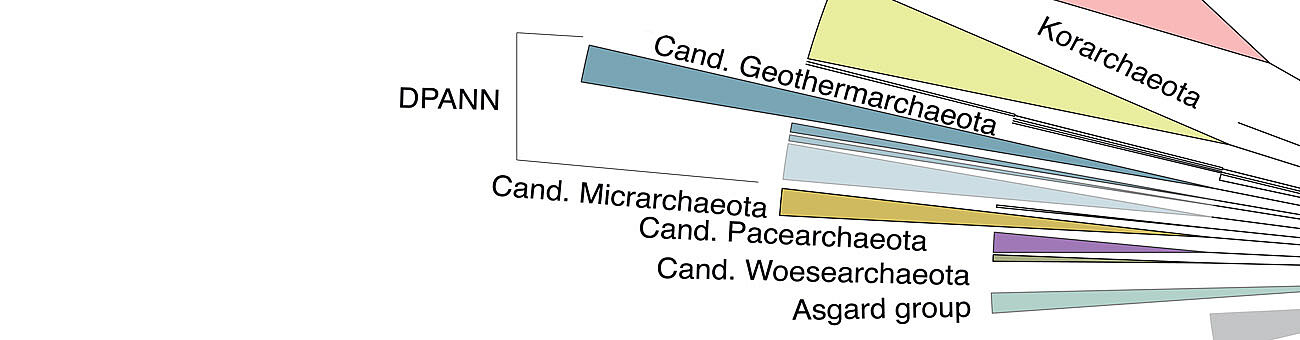
- the phylogeny of archaea
- virus-defense (CRISPR-) systems of hyperthermophilic archaea
- archaea Biotechnology
- bacterium-nematode symbioses
We thus attempt to improve the understanding of the role of microorganisms, in particular of archaea, in global biogeochemical cycles and in early evolution.